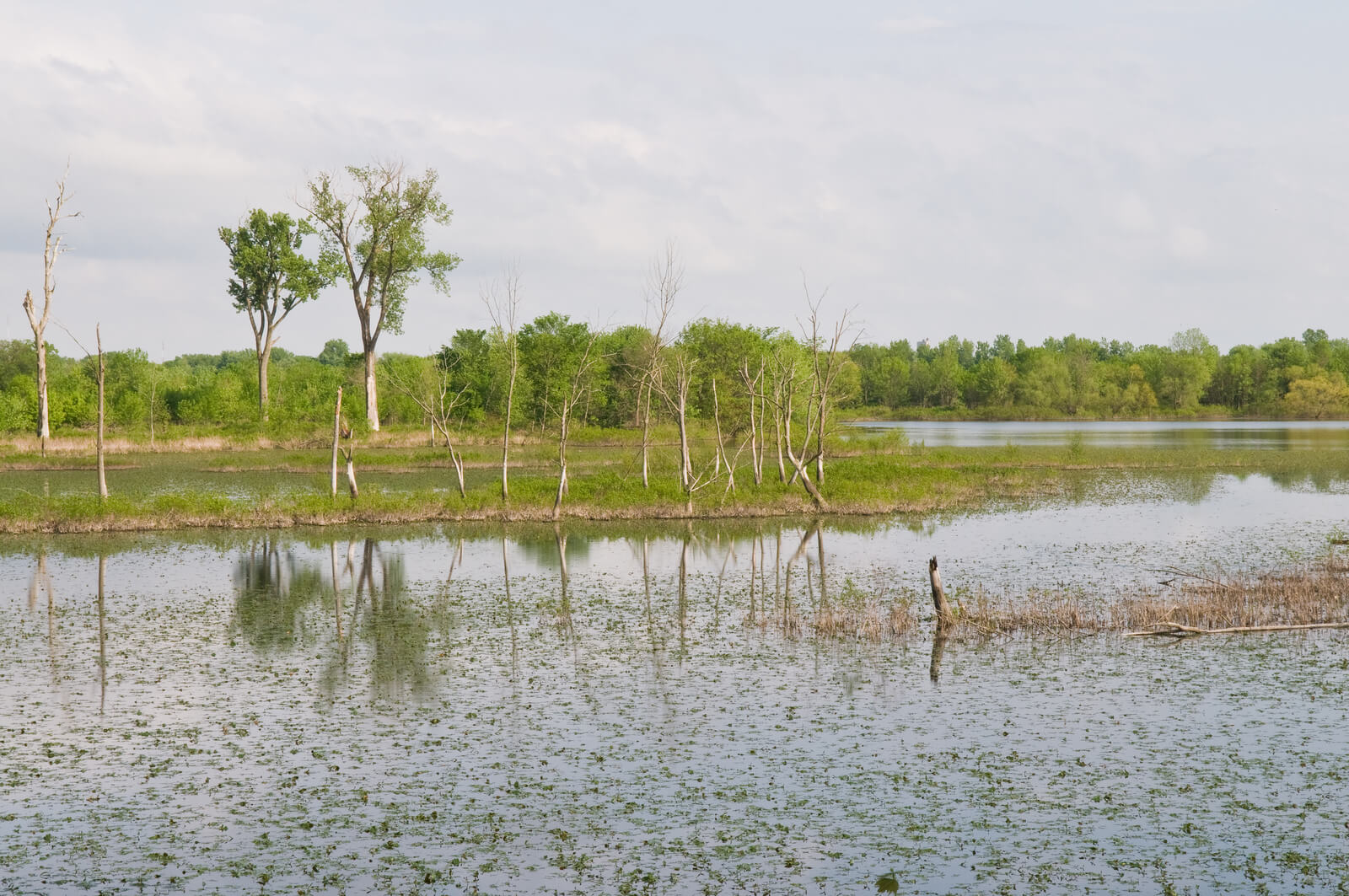
Bird Conservation Regions
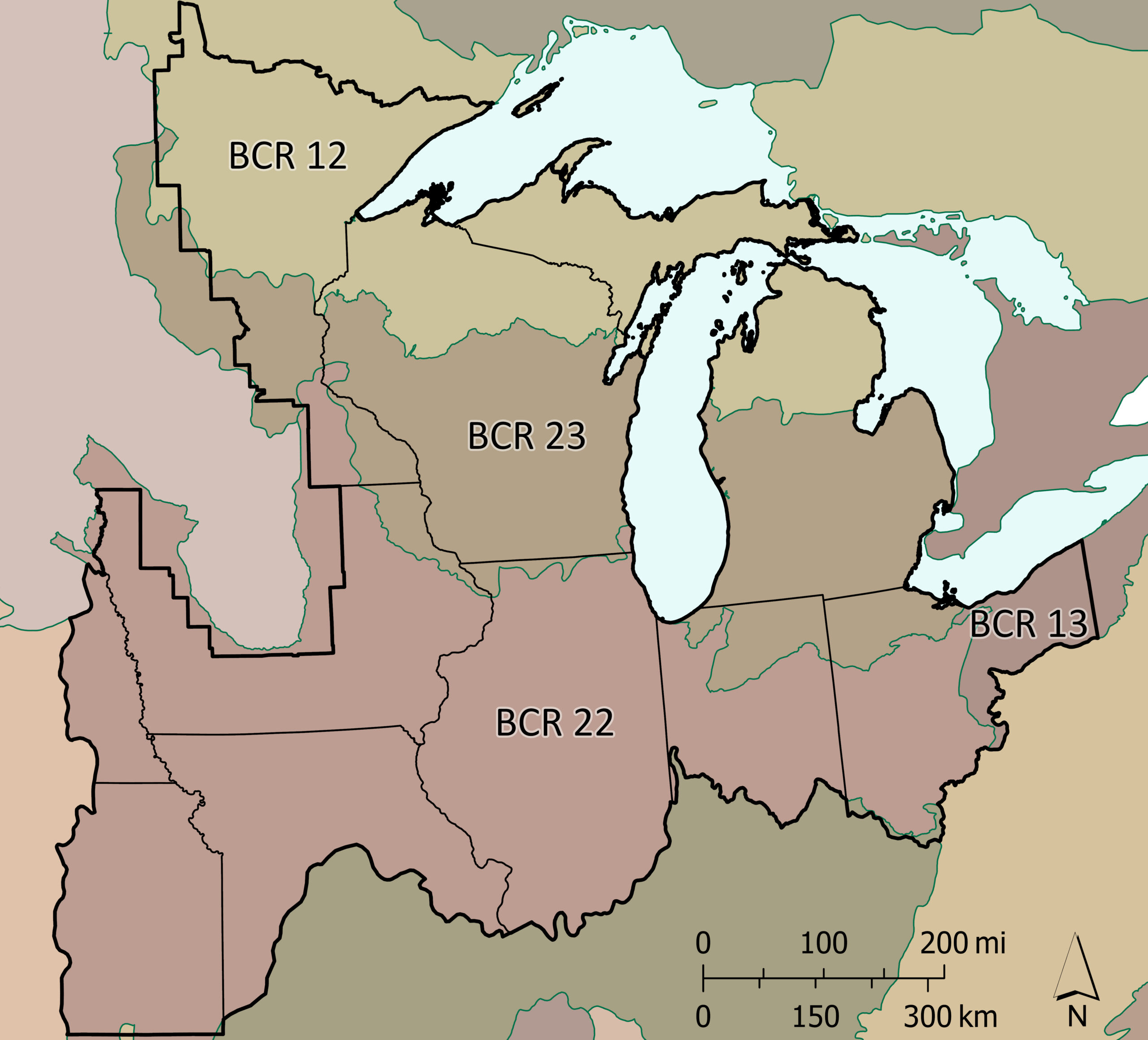
The Upper Mississippi/Great Lakes Joint Ventures hosts a variety of landscapes that support birds throughout the year. In 1998 Bird Conservation Regions (BCRs) were developed to support bird conservation in North America. BCRs are ecologically distinct regions in North America with similar bird communities, habitats, and resource management issues. Learn more about BCRs and their history here. The Upper Mississippi Great Lakes Joint Venture encompasses 4 Bird Conservation Regions:
Conservation in Action
Conservation Delivery Networks are partnerships of organizations within a defined geography or sharing a common conservation outcomes who agree to work collaboratively and share resources to plan, coordinate, and deliver habitat projects alighted with Joint Venture objectives and priorities.
BCR 12 – Boreal Hardwood Transition
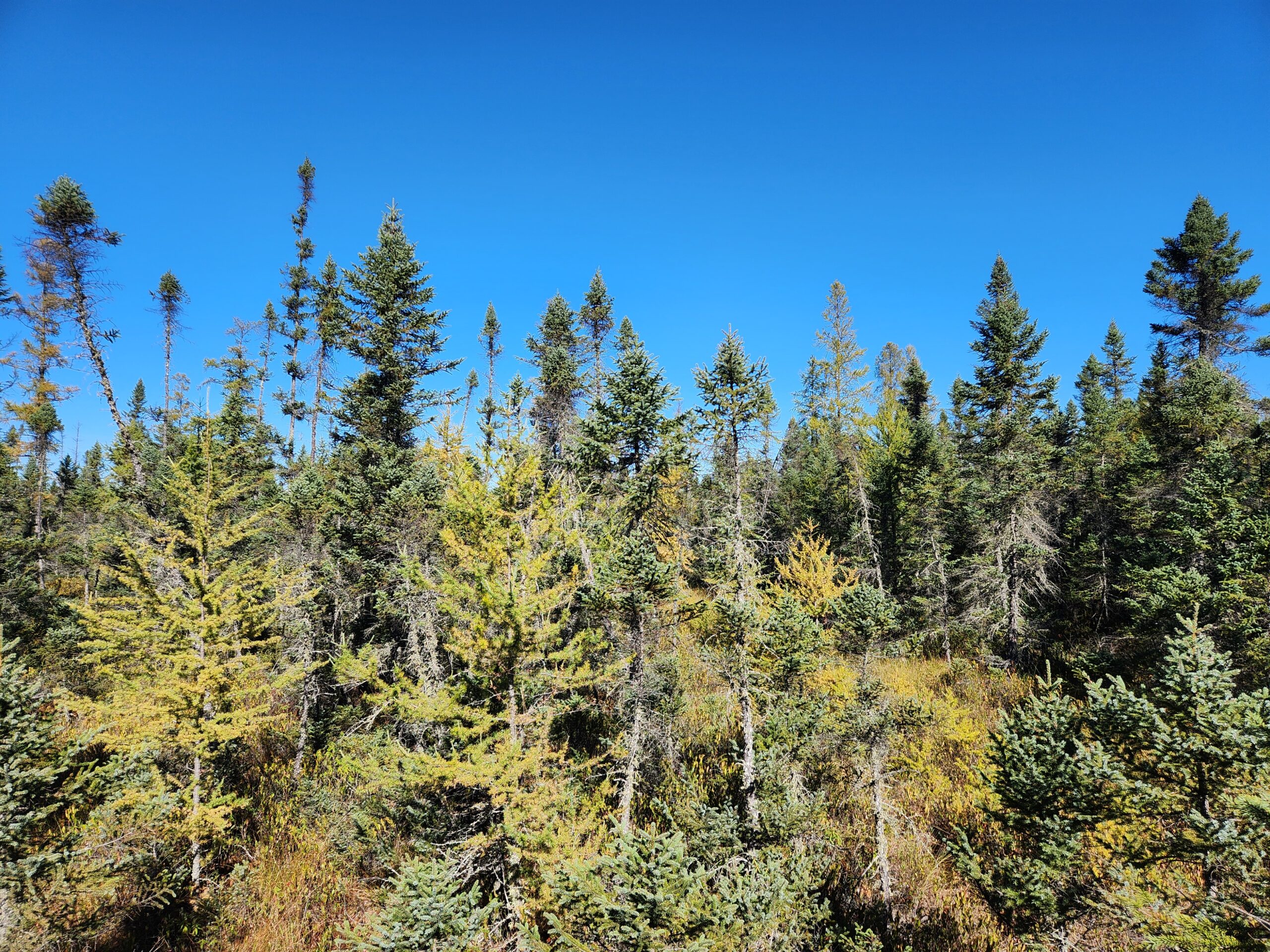
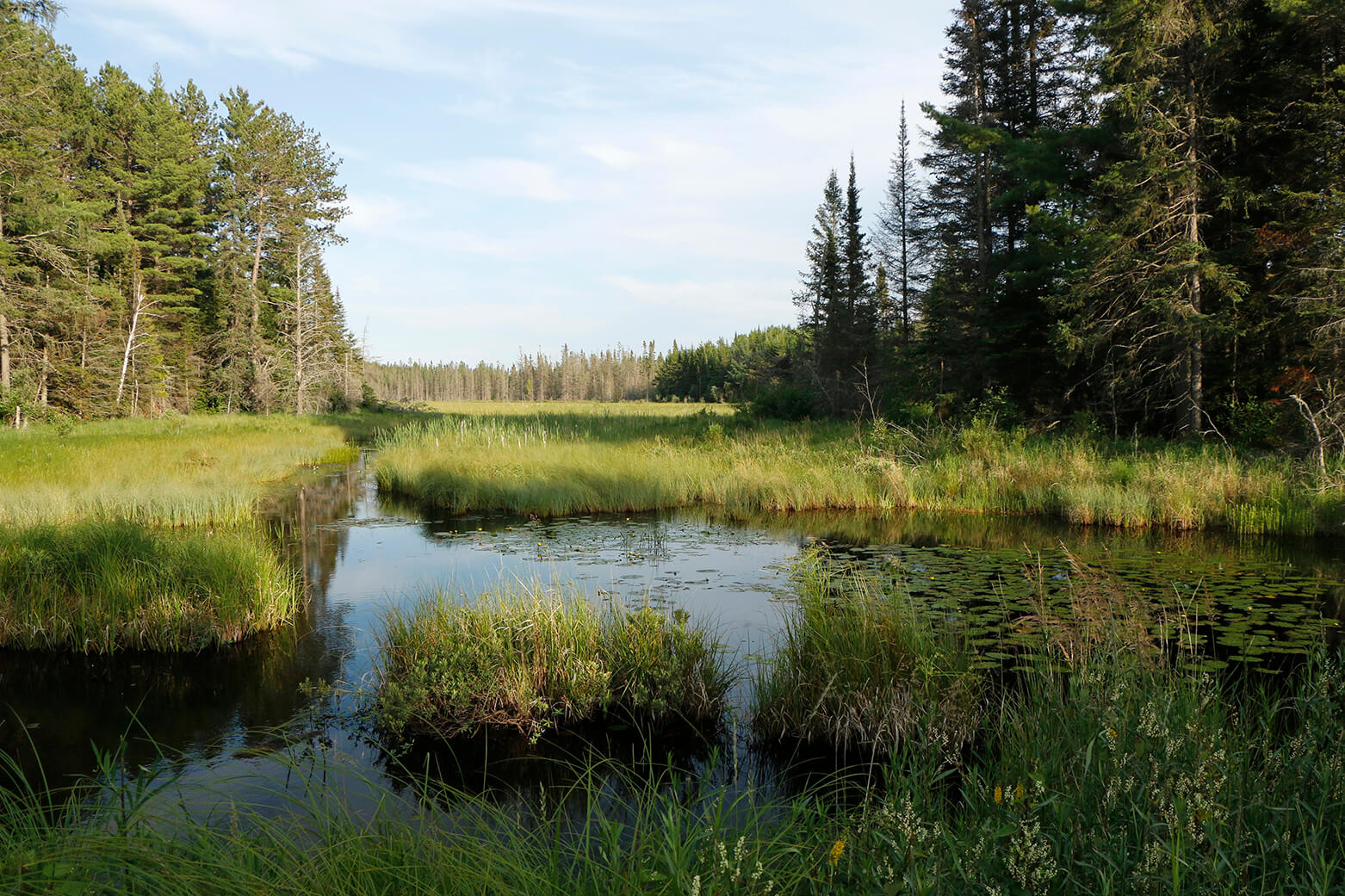
This region is characterized by coniferous and northern hardwood forests, nutrient-poor soils, and numerous clear lakes, bogs, and river flowage. All of the world’s Kirtland’s Warblers breed here, as do the majority of Golden-winged Warblers and Connecticut Warblers. Other important forest birds include the Black-billed Cuckoo, Veery, and Rose-breasted Grosbeak. Although breeding ducks are sparsely distributed, stable water conditions allow for consistent reproductive success. Wood Duck, Mallard, American Black Duck, Ring-necked Duck, and Common Goldeneye are common breeding species in this region. Threats to wetland habitat in this region include recreational development, cranberry operations, peat harvesting, and drainage.
BCR 13 – Lower Great Lakes St. Lawrence Plain
Originally this region was covered with a mixture of oak-hickory, northern hardwood, and mixed-coniferous forests. Very little of the forests remains today due primarily to agricultural conversion. This region now contains some of the largest and most important area of grassland in the Northeast, providing habitat for such species as Henslow’s Sparrow and Bobolink. The highest priority bird in remnant forests is the Cerulean Warbler. Agricultural abandonment may temporarily favor shrub-nesting species, such as Golden-winged Warbler and American Woodcock, but increasingly, agricultural land is being lost to urbanization. Lakeshore habitat and associated wetlands in this region are important to stopover migrants, attracting some of the largest concentrations of migrant passerines, hawks, shorebirds, and waterbirds in eastern North America. Much of these concentrations occurs along threatened lakeshore habitats.
BCR 22 – Eastern Tallgrass Prairie
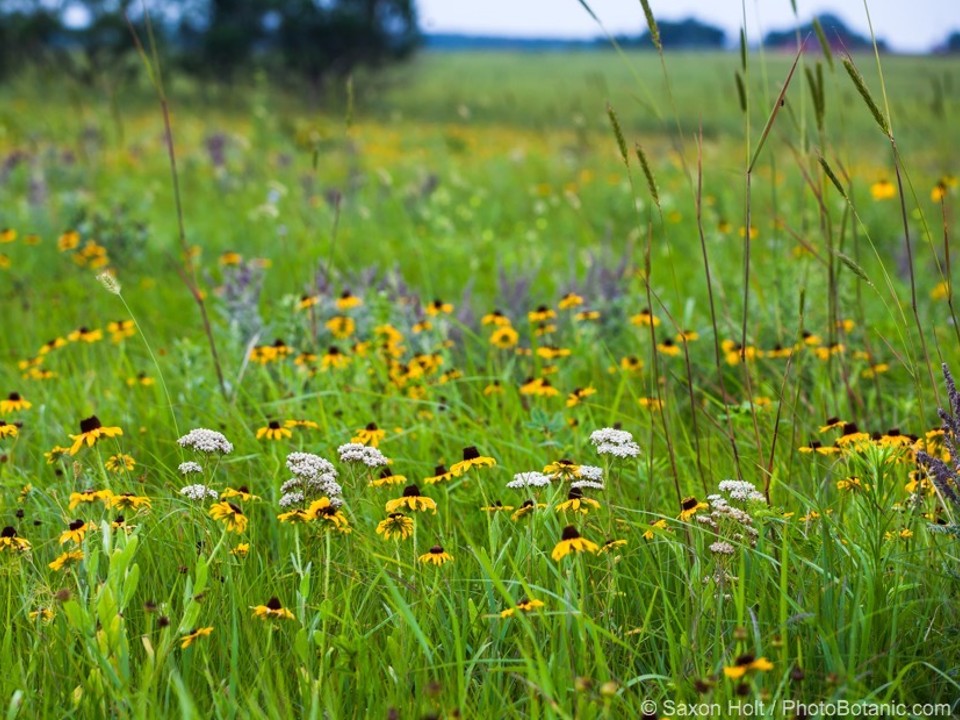
This region includes what was formerly the tallest and lushest grasslands of the Great Plains. Beech-maple forest dominated in the eastern sections, and the prairie and woodland ecotone between the two was marked by a broad and dynamic oak-dominated savanna. The modern landscape of the Eastern Tallgrass Prairie is dominated by agriculture. Threats to the upland and wetland habitats of this region include urbanization, recreational development, and agricultural expansion. High priority grassland birds that persist in some areas include the Greater Prairie-Chicken and Henslow’s Sparrow. Cerulean Warblers are in some wooded areas, and Red-headed Woodpecker leads the list of savanna specialists.
BCR 23 – Prairie Hardwood Transition
Prairies once dominated this region in the west and south with beech-maple forest in the north and east, separated by an oak savanna. There are still remnant populations of Greater Prairie-Chicken in grasslands and Cerulean Warbler and other forest breeding migrants to the northeast. Early successional habitat is used by Golden-winged Warblers, Henslow’s Sparrows, and American Woodcock. This region includes numerous pothole-type wetlands and shallow lakes, and Great Lakes’ coastal estuaries making it second only to the Prairie Pothole region in terms of support of high densities of breeding waterfowl, including Mallard, Blue-winged Teal, Wood Duck, and Redhead. Lakeshore-wetland habitats range from emergent marshes and diked impoundments to deep-water habitats valuable that are value to diving ducks and marsh birds.