


Urban Birds
The formation of the Urban Bird Conservation Delivery Network is a direct result of urban bird conservation being recognized as important in the UMBL JV’s Landbird Habitat Conservation Strategy (2020).
Vision: That all cities and other urban areas within the Upper Mississippi / Great Lakes Joint Venture (UMGL JV) are actively engaged in bird conservation and are implementing sound and science-based bird conservation practices.
Mission: To advance the delivery of urban bird conservation in the Upper Mississippi / Great Lakes Joint Venture region and be responsive to the needs of the urban bird network
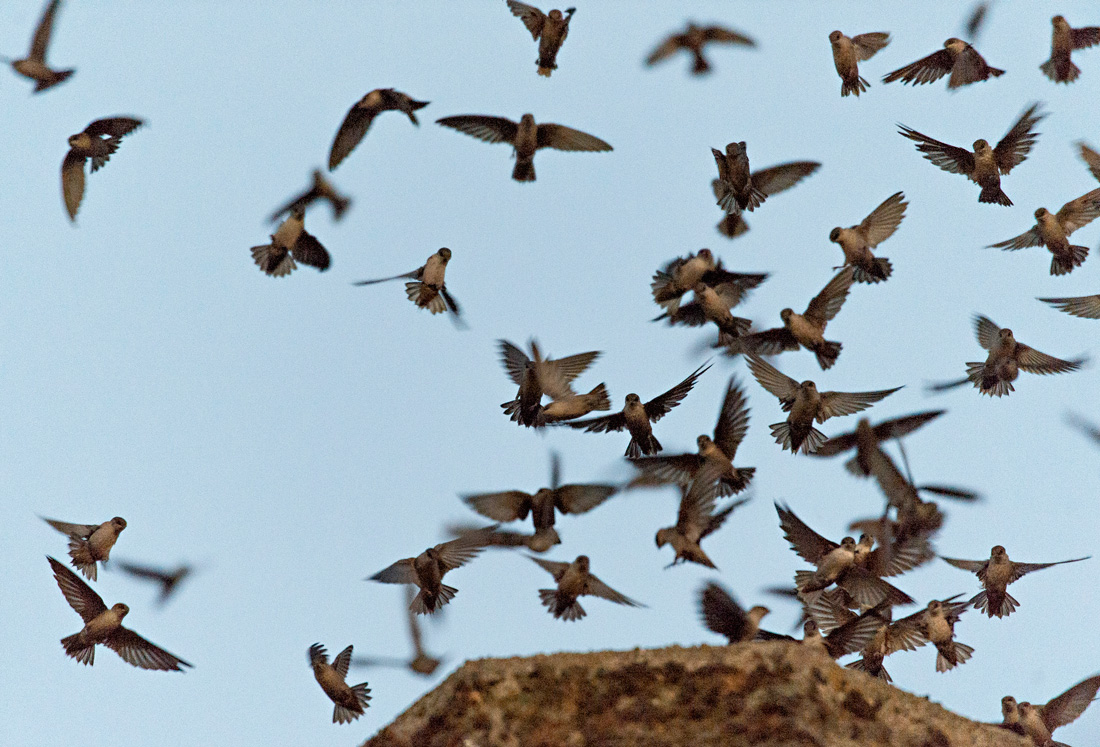
Summary of Management Actions for Birds in Urban Landscapes
The following is an excerpt from the Landbird Habitat Conservation Strategy defining recommended management actions for birds in urban landscapes, and can be thought of as Urban Bird CDN goals:
- Assist stakeholders in planning, retaining, and expanding forest and grassland bird habitats, with focus on high quality (limited bird threats) migration stopovers and outdoor recreation, at logical locations based on forecasted development trends.
- Restore and retain forest, grassland, and open space patches with native plant communities benefiting birds, pollinators, and people, with concerted focus on lakeshore and riverine corridors where bird habitats may provide greatest social benefits (e.g., green space, water filtration).
- Continue integrating social science into bird planning and habitat delivery in and around urban settings, including seeking expanded social science expertise on the JV Management Board and JV Science Team.
- Promote community-based (Bird City Network) conservation actions especially relevant to urban and developed landscapes and drawn from best practices of the Bird City Network.
- Target and assist ≥2 urban areas (≥20,000 people) annually for enrollment in the Bird City Network, with focus on how individual locations can benefit JV focal species.
Focal Species
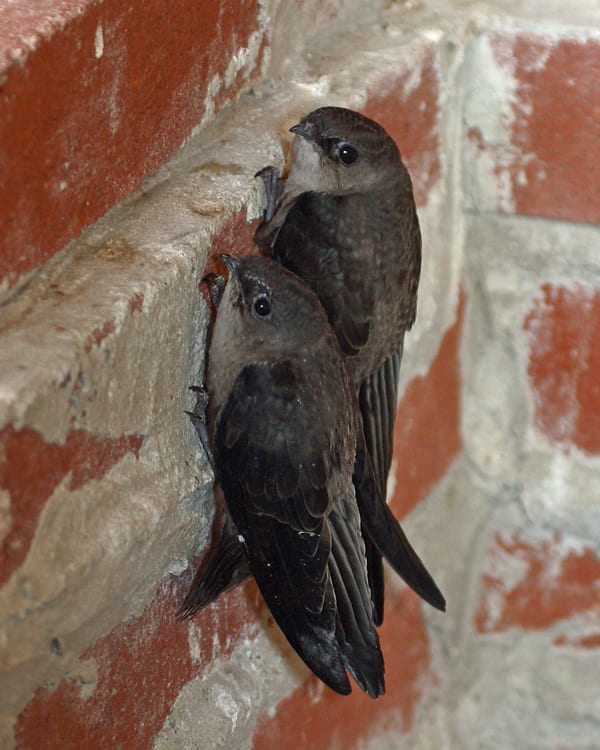
The UMGL Joint Venture Urban Landbird Focal Species is the Chimney Swift.
Although this species has been chosen to represent urban landscapes, there are a variety of JV Focal Species and other avian Species of Greatest Conservation Need are important for conservation in urban landscapes.
Projects & Programs
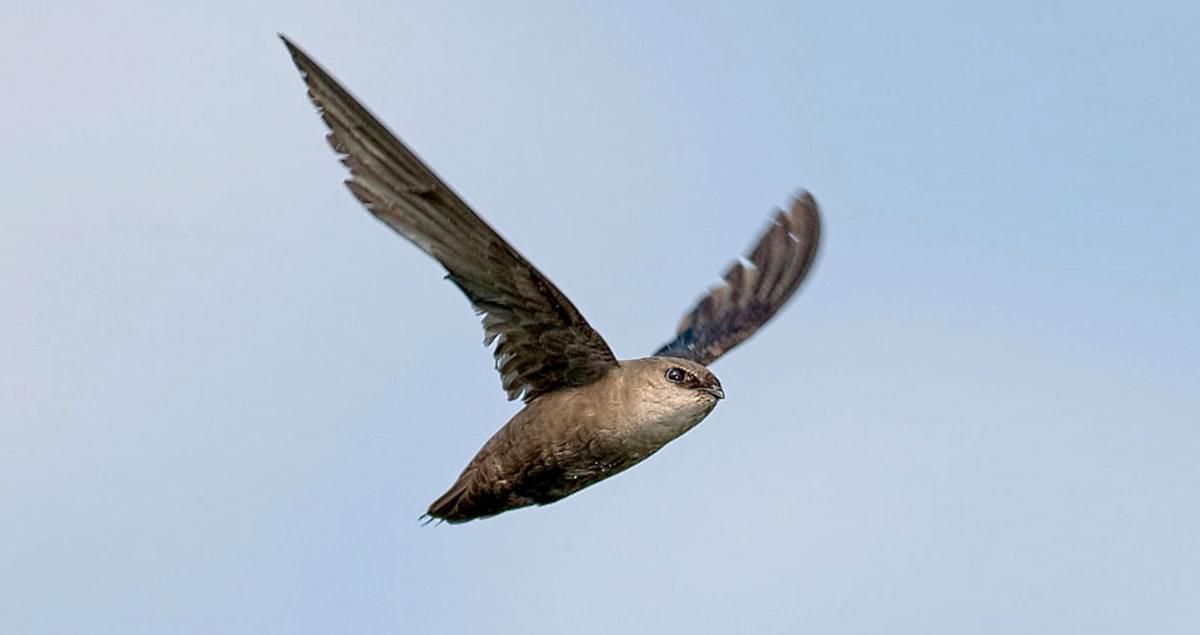
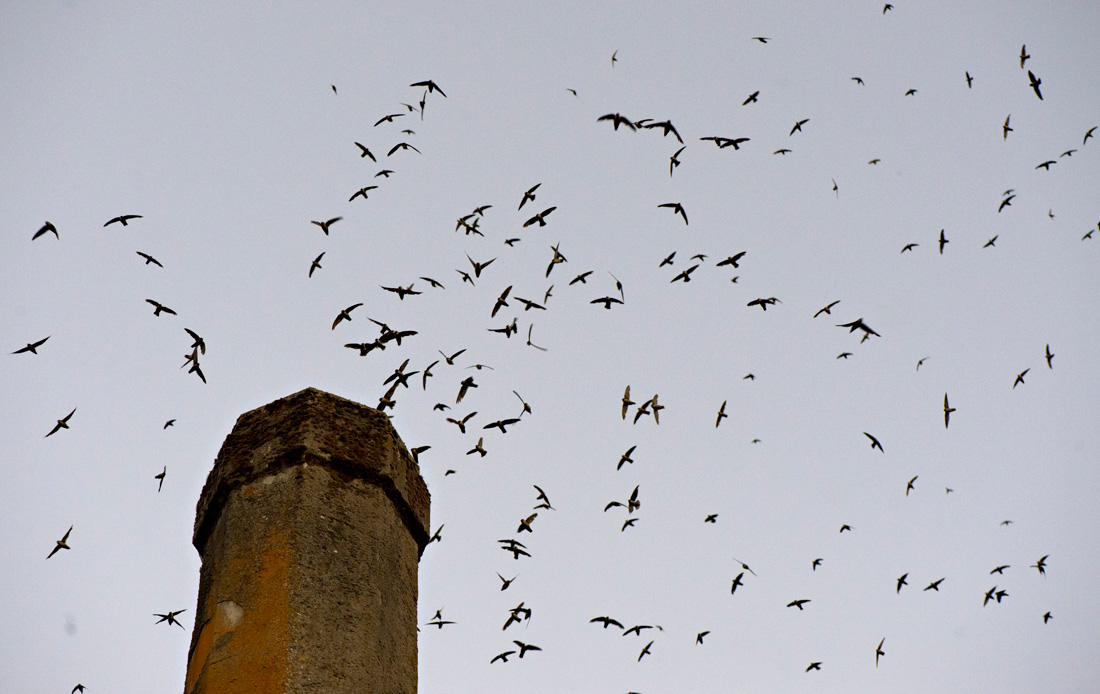
Chimney Swift Workshop
The Upper Mississippi / Great Lakes Joint Venture (UMGLJV) and American Bird Conservancy (ABC) hosted a Chimney Swift workshop in July 2025 to share current knowledge, highlight successful conservation approaches, foster regional connections, identify opportunities for future collaboration, and create space for discussion. A summary of the workshop, along with access to the full-length video can be found here: Swift Solutions
Chimney Swift Conservation Strategy
A team of graduate students helped to explore and define a framework for a region-wide Chimney Swift Conservation Strategy, using the Conservation Standards Process. The framework included regular check-in meetings over 5 weeks, and a final presentation and paper on findings and recommendations. Support for this project was through the Nelson Institute’s Conservation Standard Program at UW-Madison.
Bird City Network
The Bird City Network serves as a collaborative platform designed to promote sustainable urban planning, create bird-friendly communities, and raise awareness about the vital role people play in supporting bird populations. By fostering cooperation within and among communities, the program seeks to ensure the long-term well-being of birds by enhancing their habitats, safeguarding their migratory routes, reducing threats to their survival, and providing education to youth and adults. These steps help create healthy communities that also benefit people.
The Bird City Network, led by American Bird Conservancy (ABC) and Environment for the Americas (EFTA) support over 260 communities in four countries that are working to become healthier for both birds and people. The Network unites local Bird City programs, helping them share resources, inspire bird-friendly actions, and deliver solutions on the ground.
Within the UMGLJV geography Bird Cities exist in Minnesota, Iowa, Indiana, and Wisconsin. More recently Illinois, Missouri, and Michigan have been added to this list. The Village of Roscommon was officially announced by Michigan Audubon as the first Bird City Michigan community in 2025! By earning this recognition, Roscommon has shown its commitment to creating a healthier environment for birds and people through habitat conservation, public education, and sustainable practices. Since then 5 additional communities have become bird cities in Michigan.
World Migratory Bird Day
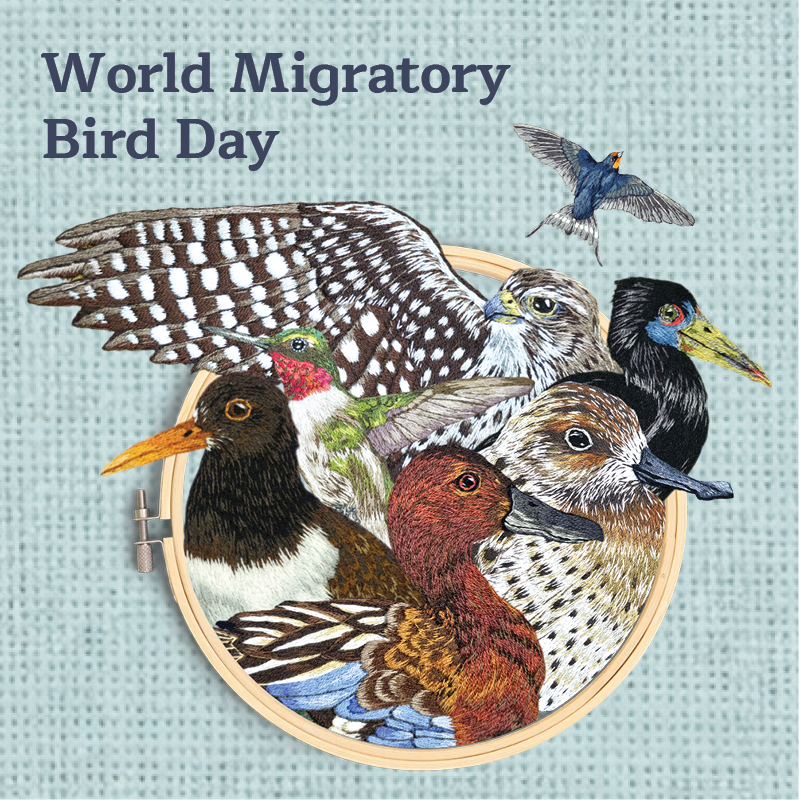
The theme for World Migratory Bird Day (WMBD) 2026, “Every Bird Counts – Your Observation Matter” highlights the role of public participation in collecting data on migratory bird populations and their habitats and factors that impact their populations and contribute to our knowledge about how to protect them. Community science, ranging from backyard bird counts to large-scale coordinated surveys/schemes, provide information on species distribution, abundance trends, migration timing, and breeding success. This data is important to identify conservation priorities, and inform effective conservation action plans and strategies. By engaging individuals and communities in monitoring efforts, we not only gather scientific data but also build a deeper connection to nature, raise awareness about the challenges migratory birds face, and inspire direct conservation action.
This theme will particularly resonate as it coincides with and will leverage promotional materials and visibility from a significant shorebird count happening in 2026, showcasing real-world application of monitoring efforts. It will also highlight other programs that involve the public and benefit bird conservation.
Lights Out Program
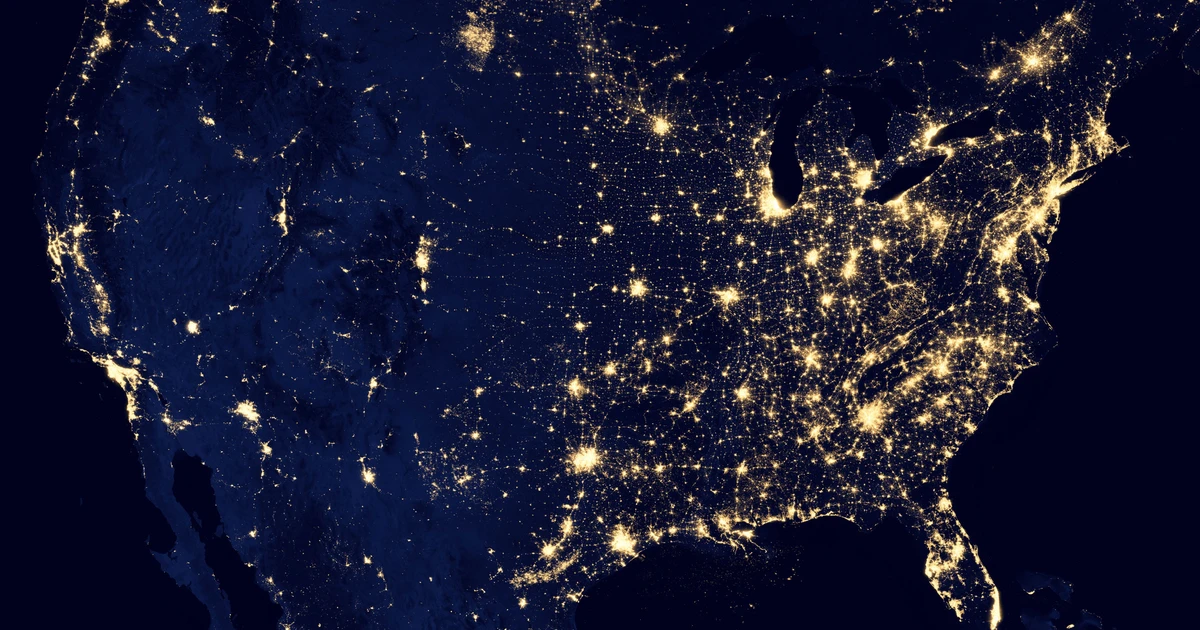
Every year, billions of birds migrate north in the spring and south in the fall, the majority of them flying at night, navigating with the night sky. However, as they pass over big cities on their way, they can become disoriented by bright artificial lights and skyglow, often causing them to collide with buildings or windows.
While lights can throw birds off their migration paths, bird fatalities are more directly caused by the amount of energy the birds waste flying around and calling out in confusion. The exhaustion can then leave them vulnerable to other urban threats.
Find out more about the Lights Out Network and what you can do to help.
Bird Friendly Buildings
With the continued increase in human development, our landscape is increasingly covered with barriers and obstructions in areas where birds fly. Collision hazards for birds come in many forms and can affect many types of birds (nocturnal and diurnal migrants, residents; small or large birds).
Whether a bird is at risk of collision with particular type of structure depends on a number of factors related to the bird, infrastructure, and location. Understanding why birds collide with structures can lead to effective solutions for reducing collision risk. To learn more about specific infrastructure that pose collision risks to birds visit the USFWS Collisions page. To find out how you can reduce bird collisions at home, office, and within your community visit the USFWS Bird Collision Reduction Toolkits page.
Questions or Comments?
Contact
Anna Sidie-Slettedahl
Upper Mississipp/ Great Lakes Joint Venture
Bloomington, MN
Office: 612-713-5129
Email: Anna_Sidie-Slettedahl@fws.gov