What is a Conservation Delivery Network?
A conservation delivery network (CDN) is a partnership of organizations within a defined geography or sharing a common conservation outcome who agree to work collaboratively and share resources to plan, coordinate, and deliver habitat projects aligned with Joint Venture objectives and priorities.
Who is involved?
CDNs are a private/public partnership comprised of state and federal agencies, NGOs, land trusts, local and regional governments, universities, and other organizations who wish to contribute to collaborative habitat conservation aligned with JV goals.
How are CDNs managed?
CDNs are managed as an implementation module of the Joint Venture, and are guided by a steering committee that communicates with and ultimately reports to the Joint Venture Management Board. CDNS are coordinated and supported by Joint Venture staff.
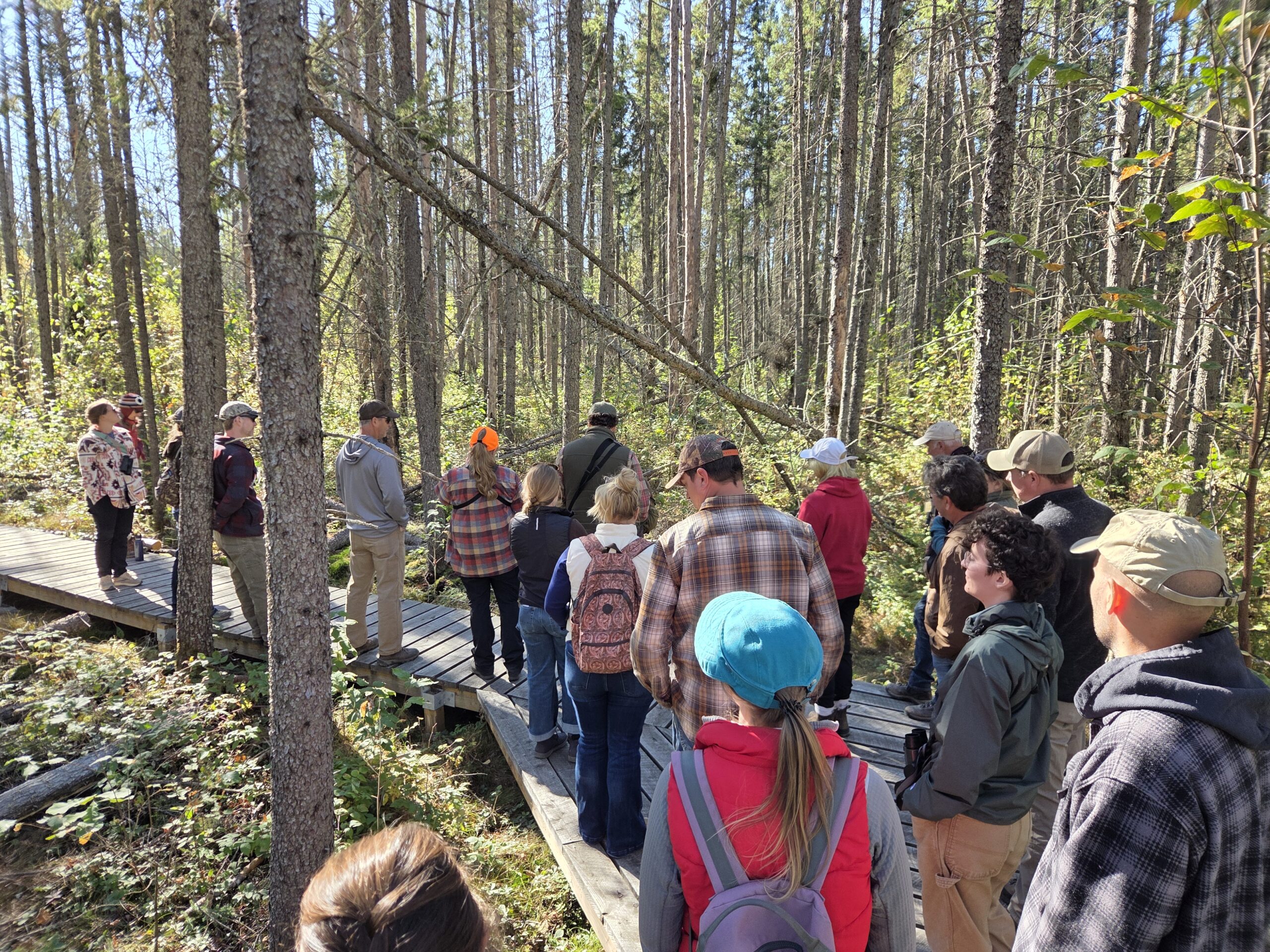

About Conservation Delivery
The goals of a CDN are to better align delivery with conservation priorities (including biological and social), optimize leverage of resources and allocation of capacity, and enhance the success of the participating organizations and programs.
How are CDNs funded?
The funding module for each CDN may be different based on the needs and delivery mechanisms determined. Funding for projects within a CDN can come from all available sources, and may flow through the Joint Venture or it may flow directly to partners managing the work products. Potential sources includes:
- USDA Farm Bill
- North American Wetlands Conservation Act (NAWCA)
- U.S. Fish & Wildlife Service – National Coastal Wetlands Conservation Grant(s)
- National Fish & Wildlife Foundation (NFWF)
- U.S. Fish & Wildlife Service – Federal Duck Stamp Program
- State Wildlife Grant Program
- Recovering America’s Wildlife Act (RAWA)
- Great Lakes Restoration Initiative (GLRI)
- Corporate and Foundation funding
Expected Outcomes
- Engagement and buy-in from a broad(er) array of conservation partners
- Increased communication/collaboration among delivery staff
- Better integration of Strategic Habitat Conservation
- Clear identification of delivery needs and opportunities
- Better engagement with private landowners and non-traditional partners
- Increased resources dedicated to conservation priorities
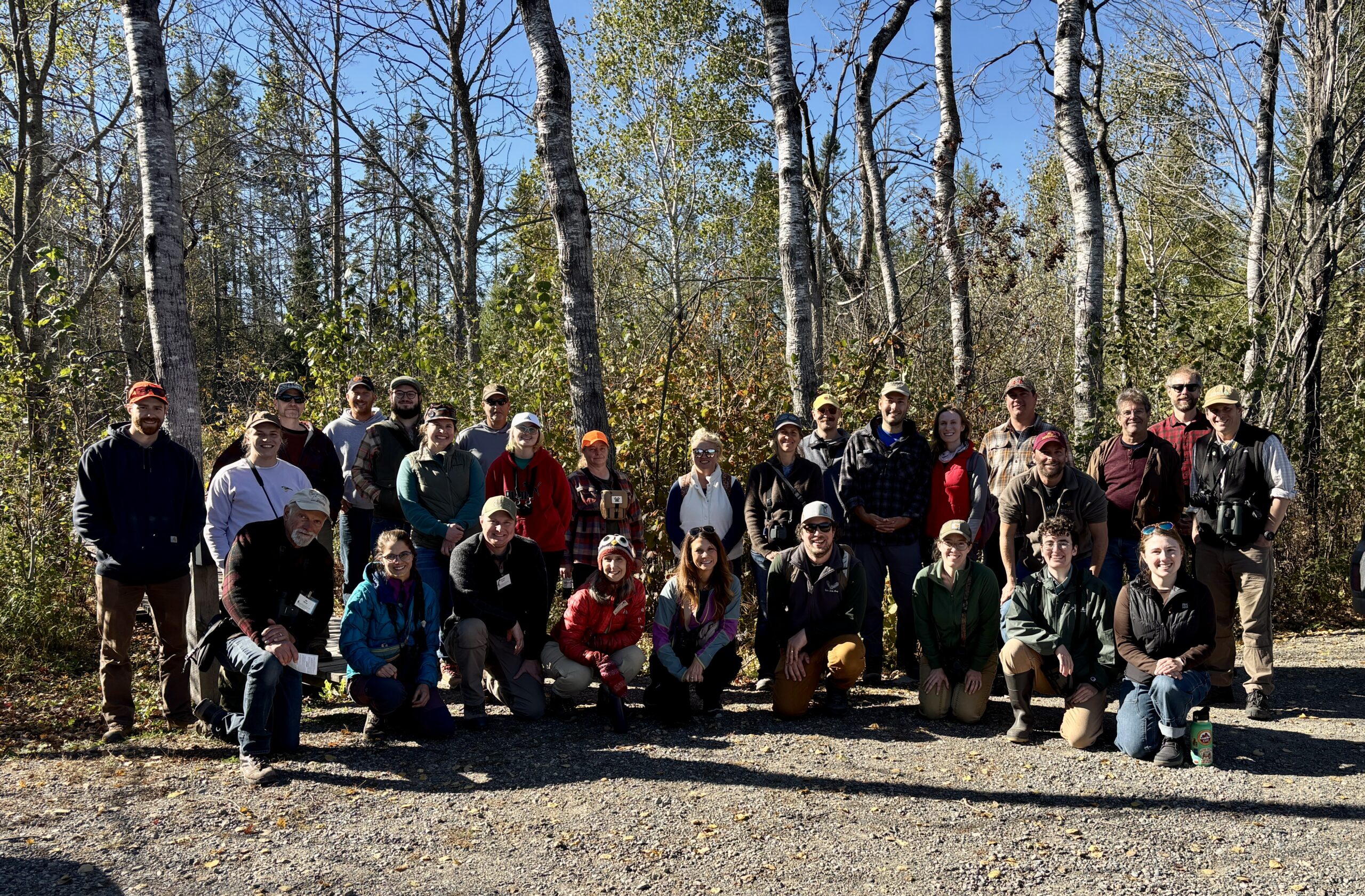
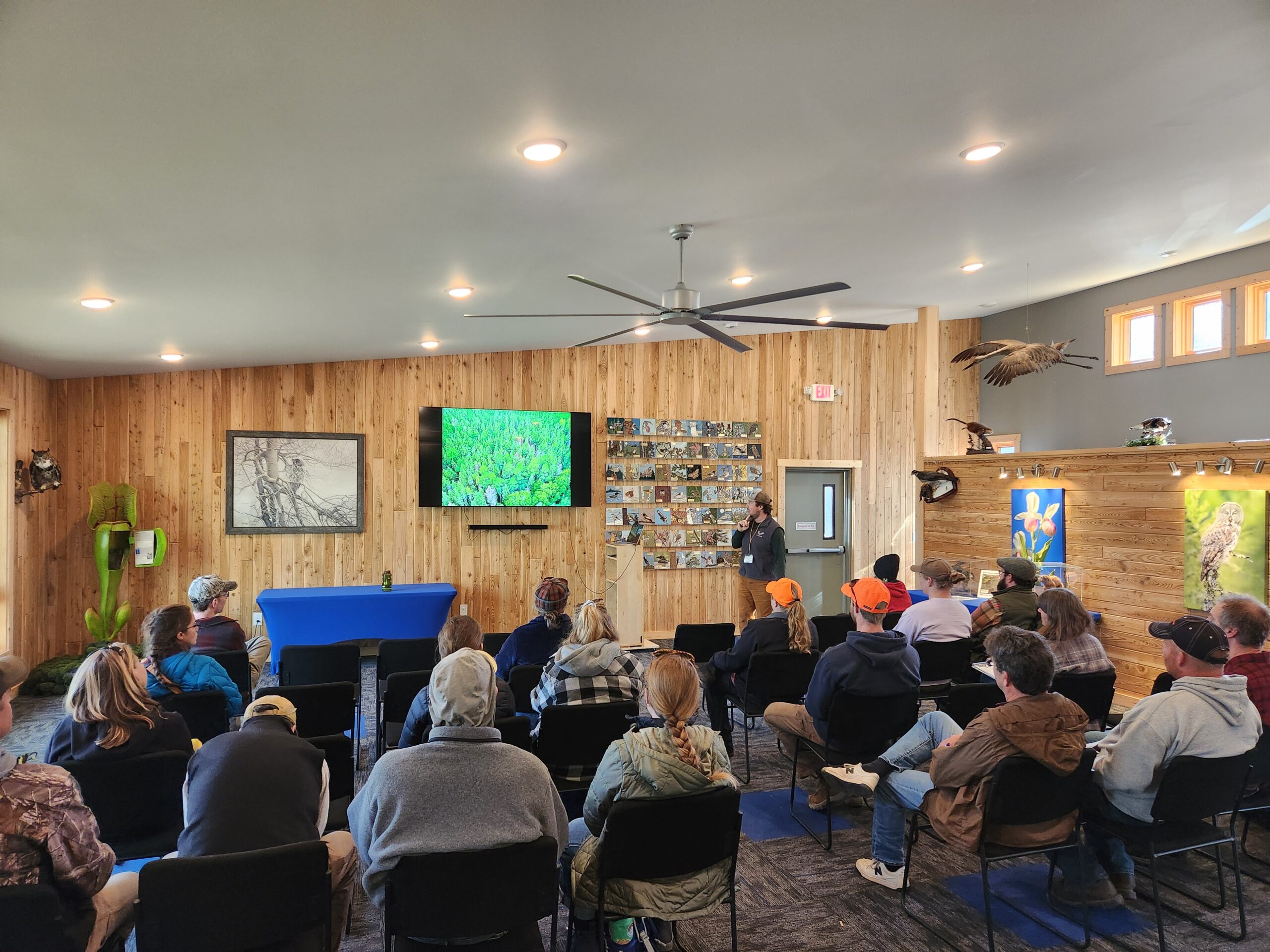
Northern Forest Conference Attendees
October 2025