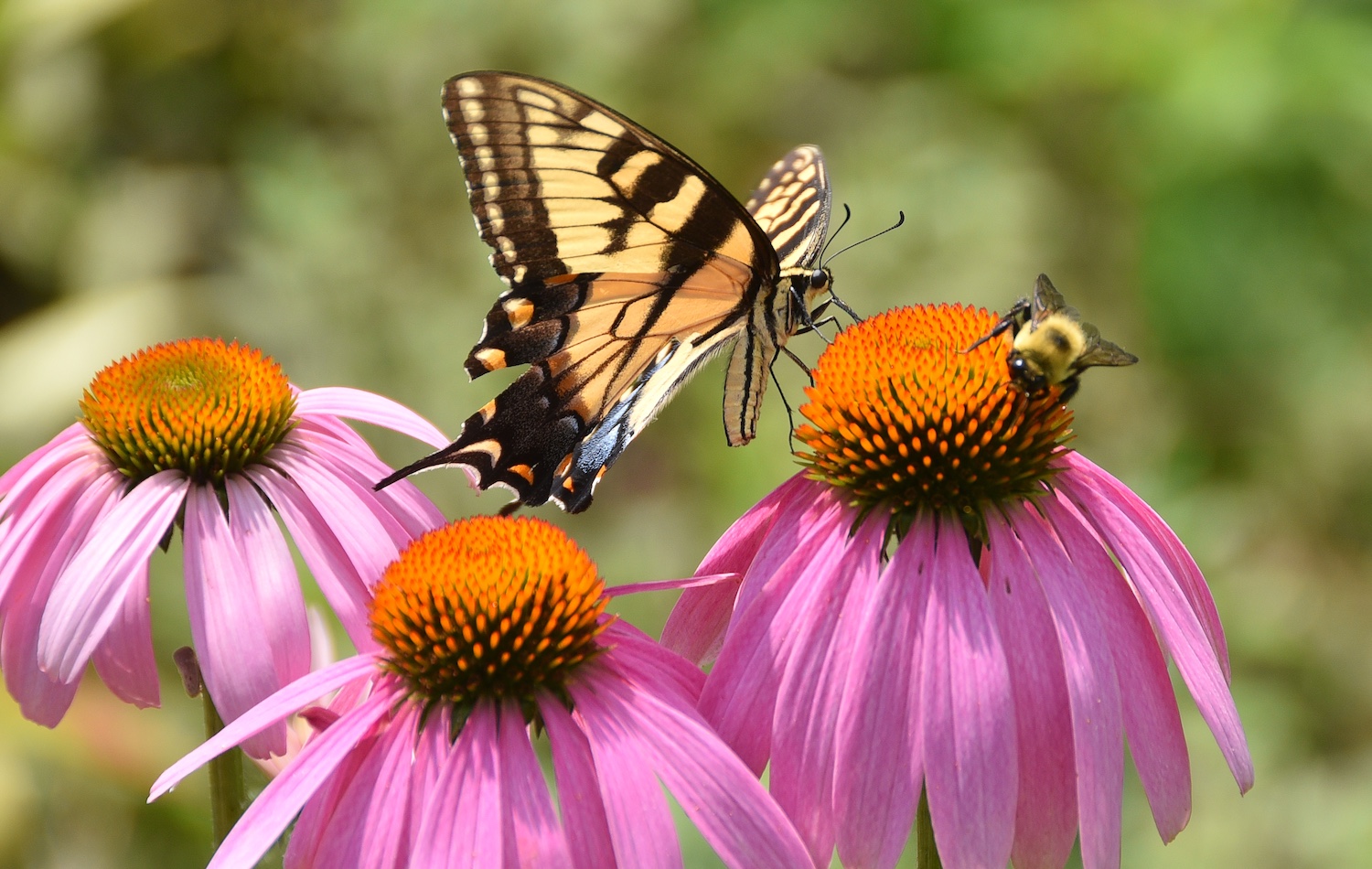
Pollinator Week is here – time to celebrate the winged critters that keep our ecosystems – and our food systems – thriving. From bees and butterflies to bats, beetles, moths, and even flies, pollinators make life more colorful and more biodiverse. This annual celebration, led by the Pollinator Partnership, is all about raising awareness, taking action, and having fun while doing it.
What’s the Buzz About?
Pollinator Week is a global celebration dedicated to raising awareness about pollinator health and inspiring action to protect them. It began in 2007 when the U.S. Senate unanimously designated a week in June as National Pollinator Week, and it has since grown into a worldwide movement. Today, people across the planet join in with garden tours, planting events, ID workshops, and more.
Why Pollinators Matter
- Thriving ecosystems
- Food crops and agriculture
- Healthy watersheds
- Wildlife habitat
This Year’s Theme: Life on a Leaf
The 2026 theme, “Life on a Leaf: Celebrating Caterpillars and Host Plants,” highlights how important native plants are for pollinator’s life cycles, especially butterflies and moths. Many pollinator species rely on just one or two host plants to survive and reproduce— meaning even small actions like planting native species in a garden can make a big difference.
Ways to Celebrate
You can celebrate Pollinator Week any way you like — big, small, virtual, or in your own backyard. Here are a few ideas:
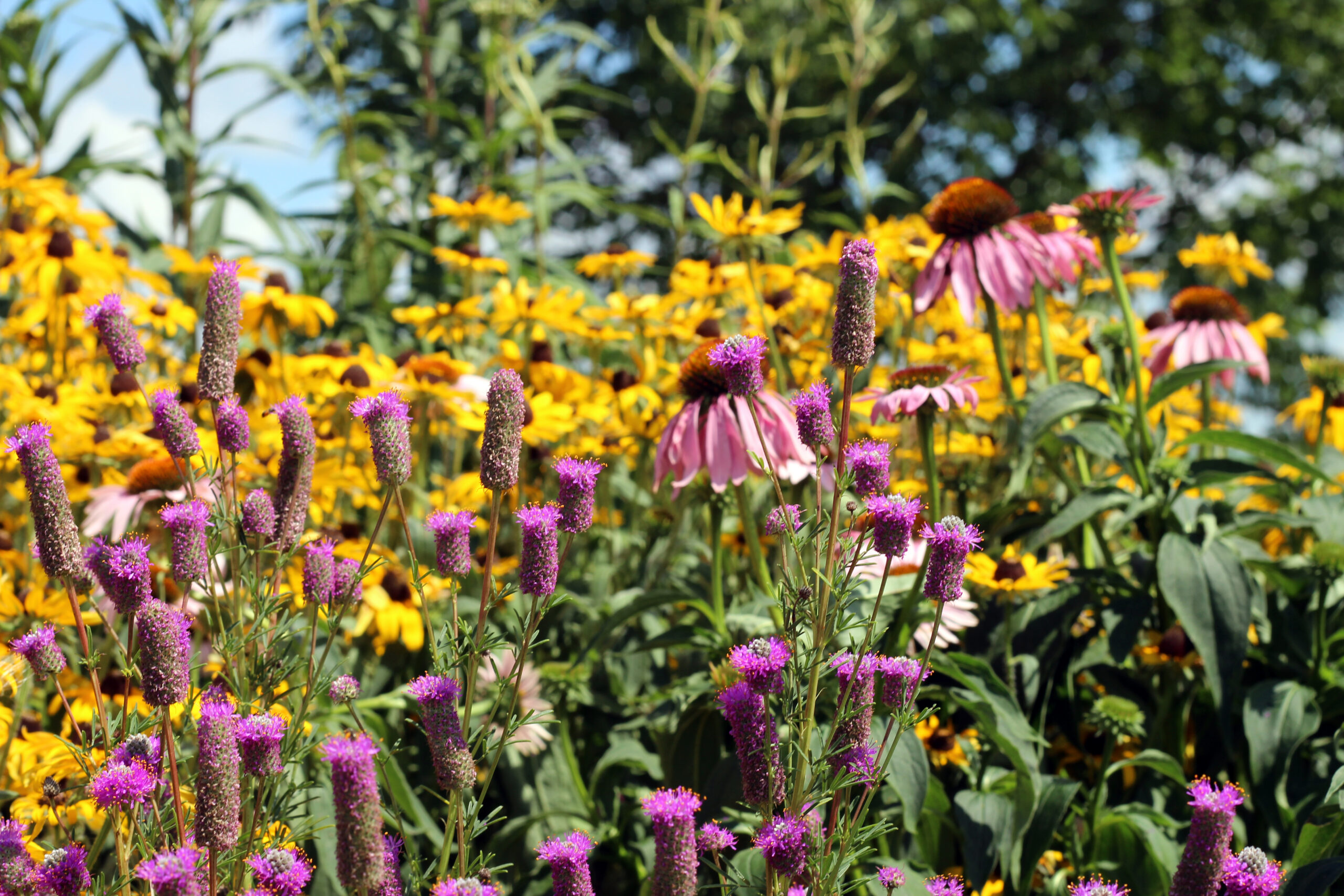
- Plant pollinator-friendly (native!) flowers
- Host or join a garden walk/tour
- Attend a bee or butterfly ID workshop
- Participate in the Pollinator “bioblitz” by snapping photos of pollinators and the plants they love, and uploading them to iNaturalist
- Share your efforts on social media using #PollinatorWeek
How to Help
Healthy pollinator populations are essential to sustainable landscapes and resilient ecosystems. By working together—partners, communities, and individuals—we can:
- Create habitat with native plants
- Reduce pesticide use
- Support education and awareness
- Promote pollinator-friendly practices
Join the Buzz